Private elementary schools are often perceived as a nurturing ground for academic excellence and personal development. This article explores the key advantages of enrolling children in private schools, from academic benefits to social development opportunities. With small class sizes and tailored teaching methods, private schools are designed to enhance educational outcomes.
We will also discuss the role of parental involvement and financial considerations. This comprehensive guide aims to provide a balanced view on why private schooling could be the right choice for your child’s future.
1. What Are the Benefits of Private Elementary Schools?
Private elementary schools often offer tailored curricula that meet the specific needs and interests of their students. Unlike public schools, private institutions have the flexibility to customize programs that foster unique talents and encourage academic growth. This focus on individual student development can lead to higher overall educational satisfaction for both children and parents. In many cases, private schools have better resources and facilities, providing students with a stimulating learning environment. The emphasis on individualized attention ensures every child’s needs are adequately met.
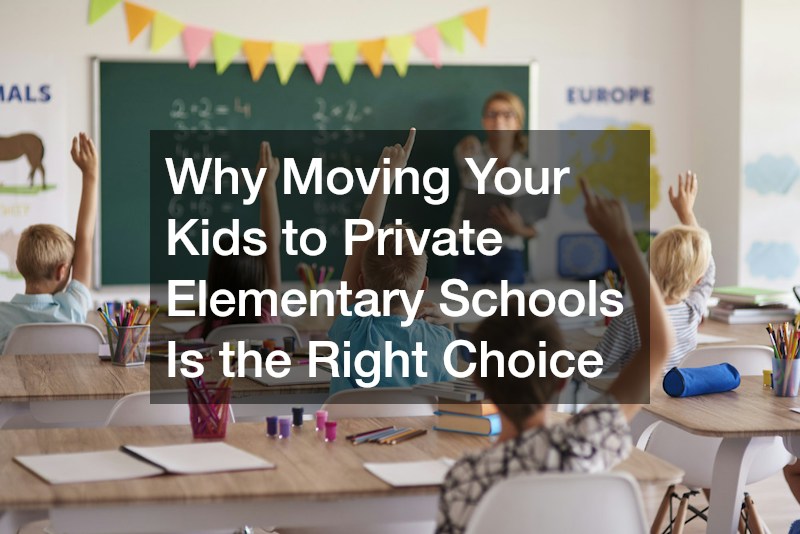
Another significant benefit of private elementary schools is their commitment to maintaining small class sizes. With fewer students per classroom, teachers can concentrate on providing personalized attention and adapt their teaching methods accordingly. This individualized attention can be pivotal in identifying early any learning challenges and addressing them promptly. Smaller classes also enable students to participate more actively, enhancing engagement and retention rates. As a result, students often demonstrate better academic performance and self-confidence.
The holistic approach private elementary schools take often includes a rich variety of extracurricular activities. These programs encourage children to explore interests beyond traditional academics, promoting a well-rounded education. By offering diversity in educational approaches, private schools ensure that students develop a broad range of skills. Activities such as art, music, sports, and technology clubs can nurture creativity and collaboration among students. Additionally, the strong emphasis on ethical education and civic responsibility helps shape conscientious future citizens.
2. How Do Private Schools Compare to Public Schools Academically?
Academically, private schools generally have a reputation for achieving higher standards of education than their public counterparts. This can be attributed to their rigorous academic programs and the autonomy to design curricula that challenge students. Teachers in private schools often hold advanced degrees and bring specialized knowledge and skills into their classrooms. The focus on academics is supported by state-of-the-art resources and technology, which enrich the learning experience. These factors collectively contribute to improved academic performance and outcomes.
Research suggests that private school students frequently outperform public school students on standardized tests. These results reflect the strong emphasis on scholarship and critical thinking that is inherent in the private school education model. With more rigorous testing and assessments, private schools set high expectations, motivating students to achieve their full potential. Parents often choose private education, recognizing these elements as vital for preparing their children for competitive higher education environments. This academic advantage can be seen as a compelling reason for considering private elementary schooling.
Moreover, private schools often offer advanced placement courses and international baccalaureate programs, empowering students with diverse learning avenues. These programs cater to ambitious students eager to accelerate their studies and explore subjects at a deeper level. The emphasis on advanced studies develops a strong intellectual foundation essential for long-term educational success. Such opportunities are frequently admired by parents who value and support a rich academic environment. Enhanced academic offerings make private schools an appealing option for shaping the future of young scholars.
3. Are Private Schools Better for Student Social Development?
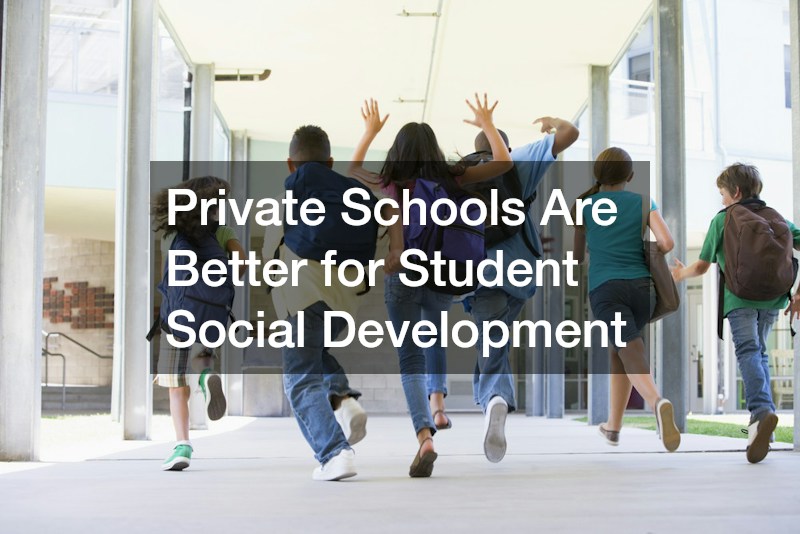
Aside from academics, private elementary schools play a crucial role in fostering social development. The small classroom sizes promote a supportive environment where students can engage more comfortably with peers and teachers. This environment nurtures vital social skills such as communication, collaboration, and respect for diversity. Participation in group activities encourages positive interactions and helps build lasting friendships. As a result, children often develop a stronger sense of community and belonging.
Private schools tend to emphasize character education and moral development as part of their foundational philosophy. This includes teaching students about empathy, ethics, and social responsibility, preparing them for the multifaceted challenges of modern society. Such programs are structured to instill values that reflect respect for oneself and others, thereby enhancing students’ emotional intelligence. By focusing on character building, these schools aim to cultivate principled individuals who contribute positively to society. This approach is crafted to ensure that students not only excel academically but also grow as well-rounded individuals.
Additionally, involvement in extracurricular clubs and activities plays a significant role in a student’s social development. Clubs and teams give students avenues to explore various interests and face challenges beyond academic settings. Opportunities to participate in leadership roles or community service projects further augment this social growth. These co-curricular activities provide invaluable experience in teamwork and leadership, crucial skills for personal growth. As children thrive in these broader educational experiences, they learn the importance of dedication, cooperation, and collective achievement.
4. What Is the Role of Parental Involvement in Private Schools?
Parental involvement forms a vital pillar in the success of private school education. Private schools frequently encourage active participation from parents in school activities, which fosters a strong partnership between home and school. This involvement helps parents become more attuned to their child’s educational journey and the overall school community. Parents are often included in decision-making processes and classroom activities, further supporting student engagement and performance. Such collaboration ensures that the child’s educational experience is coherent and consistent.
Private schools take considerable steps to keep parents informed and involved through regular communication. This includes newsletters, parent-teacher meetings, and school events that actively engage parents in their child’s learning environment. In many communities, parent associations are established to organize events, fundraisers, and volunteer opportunities. These interactions empower parents to contribute ideas and support which enhances the schooling experience. When parents are involved, children typically exhibit better academic performance and positive student behavior increases.
The collaboration between schools and parents extends beyond mere involvement; it often includes participation in strategic educational planning. Schools might solicit feedback from parents to align teaching methodologies with community expectations and aspirations. Active parental involvement ensures that families have a voice in school dynamics and policies. By ensuring meaningful contributions from parents, schools can embark on initiatives that reflect the community’s values and foster student success. This symbiotic relationship between parents and private schools results in an enriched learning environment for students.
5. Are Private Schools Affordable and What Are the Financial Considerations?
One of the common perceptions surrounding private elementary schools is the cost of tuition, often seen as a barrier by many families. However, it’s important to note that many schools offer financial aid and scholarship programs to help mitigate these costs. Some schools might also provide flexible payment plans or sibling discounts, making private education accessible to a broader base of families. Given the potential long-term benefits—such as improved academic outcomes and personal development—the investment in a private education can be worthwhile. Financial considerations should also encompass the overall value added through enhanced educational quality and opportunities.
When evaluating the costs associated with private schooling, parents should weigh the quality of education against the financial commitment. Private schools often justify their costs through exceptional teacher-student ratios, advanced facilities, and comprehensive academic programs. Comparing these elements to what public systems offer can provide a balanced view of investment worthiness. It is crucial for parents to research and inquire about financial aid options, ensuring informed decisions. Ultimately, the perceived value and potential return on investment play crucial roles in deciding the affordability of private education.
It’s worth recognizing that many private schools are proactively working to diversify their student body through various financial incentives. This initiative helps create a diverse educational setting that can benefit all students socially and culturally. Schools may have missions aimed at granting wider access to exceptional education, aligning with values of inclusivity. Parents considering private schooling should explore schools’ commitment to affordability alongside academic excellence. Doing so can lead to a richer and more equitable educational experience for their children.
In conclusion, moving your kids to private elementary schools offers numerous advantages that extend beyond superior academic performance. These schools provide a well-rounded education emphasizing personal development, high-level academic programs, and moral education. Parents’ active involvement, alongside schools’ commitment to high standards, often results in a more rewarding schooling experience. Though financial considerations must be carefully assessed, innovations like scholarships and payment plans increase accessibility. Evaluating these factors thoughtfully can guide parents in choosing the best educational path for their children’s future success.