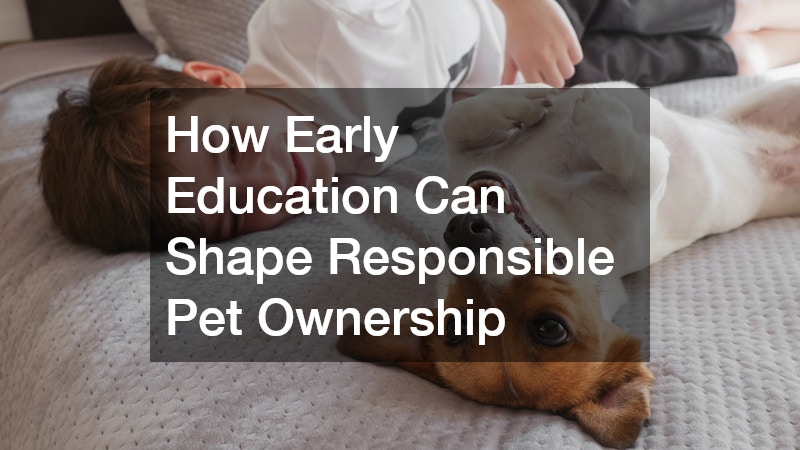
The concept of integrating early education with lessons on pet ownership offers a fascinating opportunity to instill responsibility and empathy in young children. In today’s educational landscape, there is a growing recognition of the holistic development of the child, which encompasses not only cognitive skills but socio-emotional growth. The integration of pet care education into early childhood curricula represents a forward-thinking approach that addresses these multiple dimensions of learning.
Starting from their first experiences in a preschool, children are at an ideal age to grasp the basic tenets of caring for another being. The early introduction of concepts related to pet ownership can create a foundational understanding of responsibility that they carry into later life. This period is crucial as early childhood education represents the first structured setting where children learn about the interactions of living beings and the impact of their actions on others.
In settings like the best nursery school, children benefit from the structured yet nurturing learning atmosphere provided by educators who introduce pet care systematically. When lessons in pet ownership are integrated within a curriculum, they go beyond informal learning moments. The significance of beginning these lessons early is that children are at a transformative stage where they are forming their worldviews, which can be positively shaped by learning to care for animals.
The inclusion of pet care in early education also helps in developing practical life skills. These include understanding nutrition, basic veterinary care, and the emotional needs of pets. Children learn the importance of routine in managing pet responsibilities, a skill that translates effectively into various aspects of adult life.
Furthermore, integrating pet care into early childhood curricula allows educators to leverage structured activities to enhance learning experiences. This makes local preschools dynamic environments where academic knowledge and life skills converge. As a result, children evolve into holistic learners who appreciate the symbiotic relationship between humans and animals.
The process also provides experiential learning opportunities, transforming theoretical knowledge into practical applications. By creating environments that replicate pet care routines, children are equipped with the emotional tools to nurture both animals and relationships. This immersive approach in a Montessori kindergarten or similar settings fosters an appreciation for life that transcends simple pet ownership.
Linking Structured Learning with Emotional Growth

Education encompasses more than just academic transmission of knowledge; it plays a crucial role in emotional development as well. Within preschool centers, children encounter their first experiences with emotional regulation and social interactions, which are also critical for learning to care for pets. The presence of animals in educational settings allows children to tangibly practice the skills of empathy, responsibility, and care.
Emotional growth through early education manifests in children’s ability to care, show empathy, and take on responsibilities. For instance, engaging with a classroom pet offers insights into the importance of routine, gentle behavior, and nurturing care, mirroring broader life skills. Such engagements familiarize children with the needs of others, skills which they can further develop as part of their daily life experiences both in private schools and at home.
Moreover, the empathetic connections children forge with animals can have lasting effects that extend into adulthood. Early ingrained compassion and responsibility can manifest in diverse forms, from becoming involved with cat daycare facilities to engaging in canine behavior training programs. The depth of understanding established through these early educational experiences may encourage a broader worldview of kindness and attentiveness towards all sentient beings.
With structured learning environments, schools foster cognitive and emotional development in parallel. This dual-focus approach allows for the development of emotional intelligence, which is crucial for understanding relationships—whether with humans or animals. Preschool environments, as a result, cultivate well-rounded individuals who can engage with their communities meaningfully.
Additionally, emotional growth aids in better adaptation to societal norms. Lessons learned while interacting with pets during early education help children embrace diversity and foster inclusiveness. Such educational philosophies contribute to developing world-wise citizens equipped with emotional resilience and social sensibility.
These experiences in emotional growth also improve children’s ability to handle stress and changes within their environments. Through caring for pets, they learn to recognize and regulate emotions, leading to enhanced social capabilities. Consequently, children prepared emotionally through pet-owning experiences in preschool centers become empathetic leaders in various fields in the future.
Integrating Pet Care within Early Childhood Curriculum
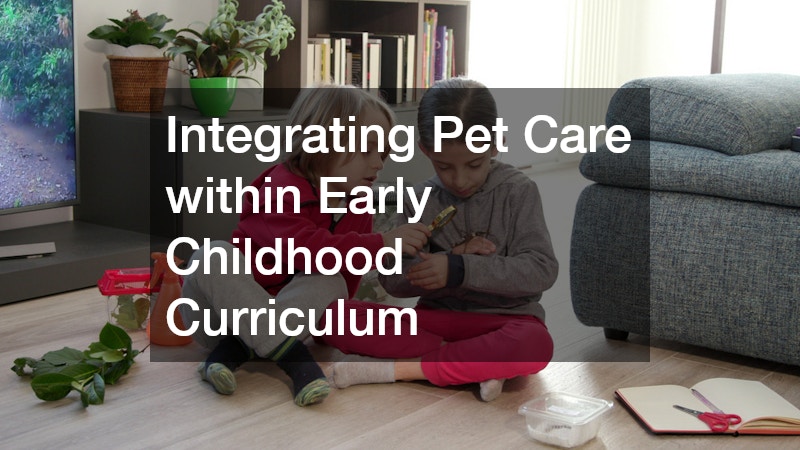
Integrating pet care education into the early childhood curriculum requires intention and a well-thought-out plan. Traditional approaches often overlook the seamless inclusion of experiential learning models such as the Montessori kindergarten, which are naturally suited for hands-on activities like pet interaction. By melding pet care with academic subjects, children are provided with both cognitive and emotional learning avenues that interact holistically.
Such integration allows children to actively engage in the welfare of another being, gaining essential skills in routine, nutrition, and hygiene management. Through activities like interactive storytelling, instructional games, and responsibility charts, children are guided to understand the various aspects of owning a pet. This presents a rich opportunity for educational innovation, inviting private schools to uniquely weave these life skills directly into their curricula.
Early education on pet care does not imply making young children solely responsible but involves guiding them through structured experiences. Engaging with informed lessons about how pets are groomed by professionals such as pet groomers offers insight into the broader pet care ecosystem. These experiences solidify a child’s understanding of the reciprocal relationship between humans and animals, setting an ideal stage for lifelong learning and respect.
Moreover, pet care curricula can be intricately woven into subjects like science and math, where concepts of biology and measurement come alive in pet-care contexts. This multi-sensory learning opportunity facilitates more inclusive and comprehensive education models, encouraging children to become proactive learners. Such techniques demystify traditional subjects, making them accessible and engaging for young learners.
Interactive pet care modules contribute to creating classroom environments rich with respect for all life forms. This setting encourages students to not only observe but also actively participate in well-guided experiences. Leveraging community resources, such as visits to animal shelters or vet clinics, provides children with firsthand insight into community roles related to animal welfare.
Additionally, integrating digital resources offers novel ways of presenting pet care lessons. Through online platforms and multimedia content, children can explore different aspects of animal welfare at their own pace. This method of integration in local preschools and beyond makes pet care education a flexible yet impactful component of emerging educational paradigms.
The Role of Educators and Parents in Early Education

Educators and parents play pivotal, complementary roles in supporting the integration of pet care education in early years’ learning frameworks. Within preschool centers, teachers are instrumental in introducing foundational principles of pet ownership, providing children with firsthand experience on the importance of empathy and responsibility. These educational settings serve as the perfect platform to balance structured activities with free exploration, where children can interact meaningfully with animals.
Educators guide children to become intuitive, responsible caretakers by continually discussing and demonstrating the responsibilities of pet ownership. Beyond conventional lesson plans, these dialogues and activities nurture a lifelong respect for animal care. They set the stage for responsible behaviors that will influence not only home settings but future communities of animal care such as doggy daycare.
Meanwhile, parental involvement remains essential in modeling responsible pet care practices at home. Parents reinforce classroom principles through active engagement with their children, establishing consistent and rewarding interactions with household pets. Collaborating with educators, the support structure at home becomes a natural extension of educational experiences, encouraging children to adopt these responsibilities within their everyday lives.
Both educators and parents must also be equipped with proper resources to guide discussions on pet care effectively. Workshops, seminars, and materials curated by animal welfare organizations could be invaluable aids in this cause. By empowering both schools and families, a cohesive support system is created that underpins the child’s learning journey regarding pet care.
As information technology evolves, digital platforms could serve as conduits for knowledge exchange between educators and parents. Interactive applications focusing on pet care, accessible from home or in the classroom, can supplement traditional learning methods. This enables children to engage with the subject matter dynamically, further embedding essential responsibilities around animal welfare into everyday activities.
Moreover, educators and parents together can create community networks that support ongoing pet care education. These could include neighborhood events, shared resources, and collective projects that extend learning beyond the classroom. Such collaborative efforts ensure that the concepts of responsible pet ownership are continually reinforced in every aspect of children’s lives.
Future Implications of Early Education on Pet Ownership
The integrated approach of teaching pet care within early education has far-reaching implications as children mature. By the time they leave best nursery school or graduate from a Montessori kindergarten, they will have assimilated fundamental insights into animal care, such as diet, exercise, companionship, and more. These foundational lessons equip them with the practical knowledge needed for potential future pet adoption or interactions with animals.
Early lessons in pet care lay a foundation for responsible pet ownership, ultimately cultivating thoughtful and compassionate adults. Such education encourages children to become conscientious decision-makers, considering the welfare of other living beings whether participating in shelters or specialized areas like canine behavior training. These insights have the potential to shape their understanding of broader animal welfare concepts and community roles.
Long-term, this approach aids in reducing issues related to pet abandonment or neglect, as individuals who grew with these values are well-versed in the complexities and commitments of pet care. Professionals ranging from cat daycare to pet groomers will interact with more informed clients who contribute positively towards animal care. Such systemic change enriches community understanding of pet welfare, potentially leading to a more humane environment for all animals.
In the broader scope, these early educational initiatives can morph into community welfare programs where young adults actively engage in animal welfare pursuits. This societal shift could foster greater community-supported efforts, such as volunteer programs at local shelters or participation in awareness campaigns. The overarching impact is a community that values life and strives for coexistence, creating a healthier social fabric.
As individuals who have had structured pet care education age, they may become advocates for policies enhancing animal welfare and responsible pet ownership. Generation by generation, these informed citizens gradually influence legislation and community standards, reinforcing sustainable and humane treatment of animals. This continuous evolution nurtures a society where humans and animals coexist symbiotically, benefiting the well-being of all.
While the immediate effects of these educational approaches are seen in young adult involvement, the ripple effect on society cannot be understated. These educated generations are likely to become parents and educators themselves, perpetuating positive pet care values with each new cycle. Thus, early education in pet ownership is a cornerstone for progressive societal development.
Ultimately, the link between early education and responsible pet ownership offers an underutilized avenue for childhood development. Engaging young learners with structured learning environments in places like local preschools and practical interactions with animals set a foundation for lifelong positive behavior. Educators and parents alike play an instrumental role in cultivating skills that help children transition into caring adults with a keen understanding of responsible and compassionate pet care.
Extended implications include greater societal awareness and more knowledgeable interactions with animals across communities. The future holds a vision where schools and homes seamlessly integrate pet care education, nurturing generations of compassionate and informed pet owners. It heralds an era of transformation, from a child’s first interaction with classroom pets to more nuanced understandings in environments similar to doggy daycare.
By balancing formal education, experiential learning, and family involvement, the next generation of children not only values but excels in all facets of pet ownership. Such a comprehensive approach fosters growth, shaping adults who are empathetic, skilled, and deeply invested in animal welfare, fundamentally influencing how communities interact and care for their furry companions.