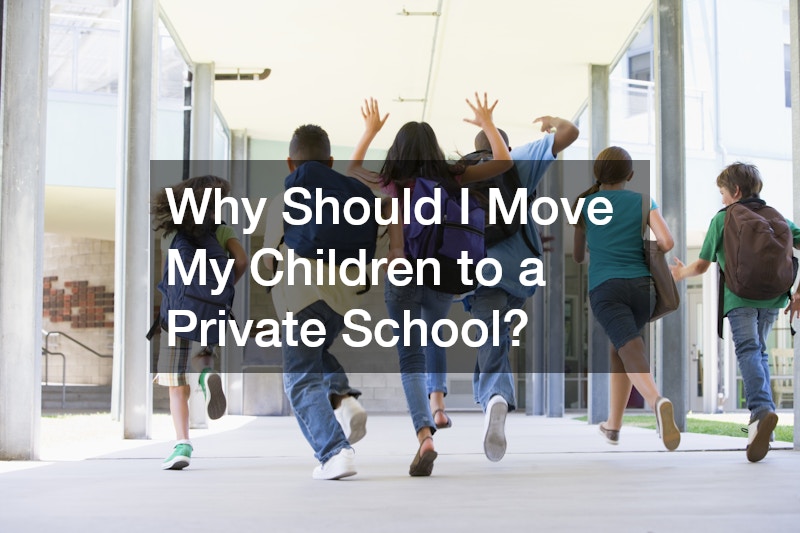
Deciding where your children will receive their education is one of the most influential choices a parent can make. For many families, the question eventually arises: why should I move my children to a private school? While public schools serve an important role in many communities, private schools offer a different educational experience that may better align with a child’s learning style, values, and long-term goals. Understanding what private education can provide helps parents make a confident and informed decision.
Smaller Class Sizes and Individual Attention
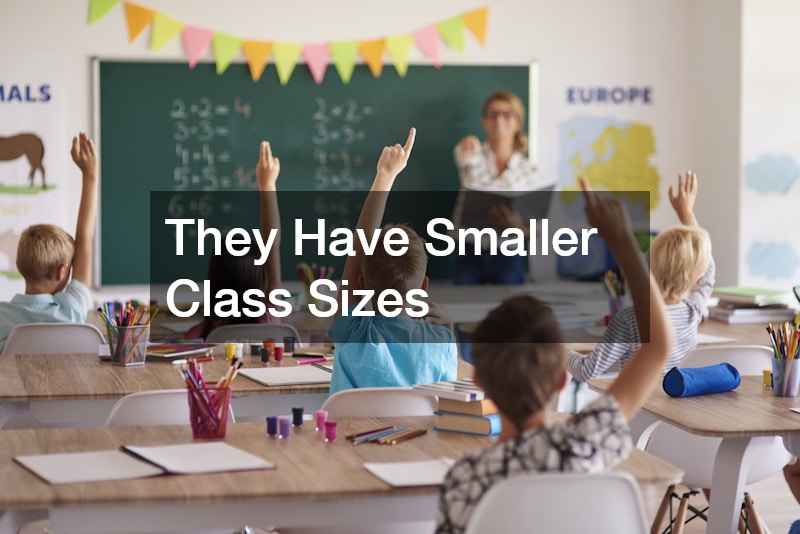
One of the most common reasons families consider private schools is class size. Private schools typically maintain smaller student-to-teacher ratios, which allows teachers to spend more time with each child. This setting makes it easier for educators to identify strengths, address challenges early, and adapt lessons to different learning styles.
With fewer students competing for attention, children often feel more comfortable asking questions and participating in class discussions. This environment can be especially helpful for students who may feel overlooked or overwhelmed in larger classrooms. Over time, individualized attention supports academic growth and builds confidence.
Focused Academic Programs
Private schools often have greater flexibility in curriculum design. This freedom allows them to go beyond standard requirements and offer enriched academic programs, advanced coursework, or specialized areas of study. Many private schools emphasize critical thinking, problem-solving, and creativity alongside core subjects.
For students with specific interests or talents, such as STEM, the arts, or languages, private schools may offer opportunities that are not always available elsewhere. A more focused academic approach can help students stay engaged and motivated throughout their education.
Values-Based Education
Another reason parents explore private schooling is alignment with family values. Many private schools are founded on specific educational philosophies or moral principles. This can include faith-based instruction, character education, or a strong emphasis on ethics and responsibility.
When a school’s mission aligns with a family’s beliefs, children receive consistent messages at home and in the classroom. This sense of alignment can contribute to a supportive learning environment where students understand expectations and feel grounded in shared values.
Stronger Sense of Community
Private schools often foster close-knit communities. Smaller enrollments make it easier for families, teachers, and administrators to know one another. Parents may feel more connected to their child’s school through regular communication, events, and involvement opportunities.
This sense of community can be reassuring for both parents and students. Children may feel safer and more supported when they know the adults around them are familiar and invested in their success. A strong community also encourages accountability and mutual respect.
Access to Enrichment and Extracurricular Activities
Beyond academics, private schools frequently place a strong emphasis on extracurricular activities. These programs may include athletics, music, theater, clubs, and leadership opportunities. Participation in these activities supports well-rounded development and helps students explore interests outside the classroom.
Because private schools can be selective in program offerings, activities are often well-organized and supported by dedicated staff. Students learn teamwork, time management, and perseverance, skills that are valuable long after graduation.
Emphasis on Discipline and Structure
Many private schools operate under clear codes of conduct and behavior expectations. Consistent rules and structured environments help students understand boundaries and develop self-discipline. For some children, this structure creates a sense of stability that supports learning.
When expectations are clearly communicated and reinforced, classrooms tend to remain focused and productive. Parents often appreciate knowing how discipline is handled and how behavioral concerns are addressed.
Preparation for Future Opportunities
Private schools frequently place a strong focus on preparing students for higher education and future careers. This preparation may include college counseling, test preparation, or exposure to leadership roles. Graduates often leave with strong academic foundations and well-developed study habits.
Smaller school environments also allow educators to write more personalized recommendations and guide students through important transitions. This level of preparation can make a meaningful difference as students move on to competitive academic or professional paths.
Is a Private School the Right Choice for Your Family?
While private schools offer many advantages, the decision ultimately depends on your child’s needs and your family’s priorities. Factors such as learning style, social environment, values, and long-term goals all play a role. Visiting schools, speaking with educators, and observing classrooms can provide valuable insight.
Asking why you should move your children to a private school is a thoughtful step toward finding the best educational setting. By weighing the benefits and considering how they align with your child’s development, you can choose a path that supports both academic success and personal growth.